Oquirrh Mountain Psychiatry
How Ketamine Treatment Works for Depression
For many people living with depression, traditional treatments such as antidepressant medications and therapy provide meaningful relief. However, some individuals continue to experience symptoms despite trying multiple treatment approaches. Understanding How Ketamine Treatment Works for Depression can help patients learn why this innovative treatment is becoming an option for certain individuals with treatment-resistant depression.
At Oquirrh Mountain Psychiatry, we believe informed patients are empowered patients. This article explains How Ketamine Treatment Works for Depression, who may be a candidate, and what to expect during the treatment process.


What Is Ketamine Treatment?
Ketamine was originally developed as an anesthetic and has been safely used in medical settings for decades. In recent years, research has shown that ketamine may help improve symptoms of depression in some individuals when administered under medical supervision. Unlike many traditional antidepressants that primarily affect serotonin, norepinephrine, or dopamine, ketamine works differently by affecting the brain's glutamate system. This difference is one reason How Ketamine Treatment Works for Depression has become an important topic in mental health care. Ketamine treatment is not appropriate for everyone and should only be provided after a comprehensive evaluation by a qualified mental health professional.
How Does Ketamine Work in the Brain?
Researchers believe ketamine influences communication between nerve cells by interacting with N-methyl-D-aspartate (NMDA) receptors, which are involved in learning, memory, and mood regulation.
By affecting these pathways, ketamine may encourage the brain to form new neural connections, sometimes referred to as synaptic plasticity. These changes may help improve communication between areas of the brain involved in mood regulation.
Although researchers continue to study the exact mechanisms, this process helps explain How Ketamine Treatment Works for Depression differently than many traditional antidepressant medications.
Who May Benefit from Ketamine Treatment?
Ketamine treatment may be considered for individuals who have not experienced adequate improvement after trying other evidence-based treatments for depression.
A psychiatric evaluation is necessary to determine whether ketamine may be an appropriate option. Your provider will review your:
- Mental health history
- Current symptoms
- Previous medications
- Medical history
- Current treatment plan
- Individual treatment goals
Treatment recommendations are always personalized and based on each patient’s unique circumstances.
Possible Benefits
Research suggests that some individuals may experience improvement in depressive symptoms after ketamine treatment. However, responses vary from person to person, and no treatment works for everyone.
Ketamine treatment is typically considered as one component of a broader mental health treatment plan that may also include:
- Medication management
- Individual therapy
- Lifestyle recommendations
- Ongoing psychiatric care
- Regular follow-up appointments
Your provider will discuss realistic expectations, potential risks, and whether ketamine is appropriate for your situation.
What Happens During Treatment?
The treatment process varies depending on the type of ketamine therapy being provided and the individual’s treatment plan.
Before treatment begins, patients undergo a comprehensive psychiatric evaluation. During treatment, patients are carefully monitored by trained medical professionals in a clinical setting to help ensure safety and comfort.
Follow-up appointments allow providers to monitor progress, discuss symptom changes, and determine whether additional treatments are appropriate.
Is Ketamine the Same as SPRAVATO®?
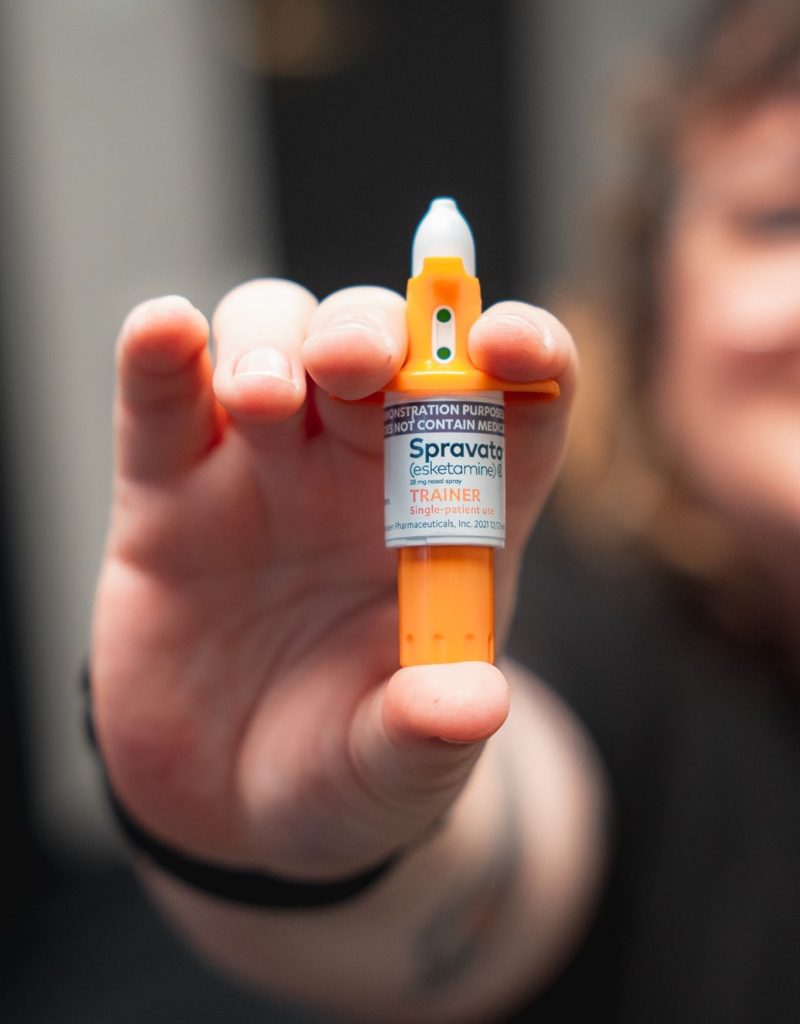
Although they are related, ketamine treatment and SPRAVATO® are not the same. SPRAVATO® is a prescription nasal spray containing esketamine, a form of ketamine that has received FDA approval for specific uses in adults with treatment-resistant depression and certain cases of major depressive disorder when used in combination with an oral antidepressant. Your psychiatric provider can explain whether ketamine therapy or SPRAVATO® may be appropriate based on your diagnosis and treatment history.
Is Ketamine a First-Line Treatment for Depression?
Ketamine is generally not considered a first-line treatment for depression. Many individuals respond well to traditional approaches such as psychotherapy, antidepressant medications, lifestyle changes, or a combination of treatments.
For some people whose symptoms have not improved with standard treatments, ketamine may be considered as part of a comprehensive treatment plan after a thorough psychiatric evaluation.


Why Professional Evaluation Matters
Depression is a complex mental health condition that can have many contributing factors. Determining the most appropriate treatment requires a comprehensive evaluation rather than relying on symptoms alone. A qualified psychiatric provider can assess your diagnosis, review previous treatments, identify any underlying concerns, and recommend evidence-based care that aligns with your needs.
Learn More About Ketamine Treatment
Understanding How Ketamine Treatment Works for Depression is an important first step when exploring available treatment options. While ketamine may offer hope for some individuals with treatment-resistant depression, it is not appropriate for every patient and should always be administered under qualified medical supervision.
At Oquirrh Mountain Psychiatry, we provide comprehensive psychiatric evaluations and individualized treatment planning to help patients explore evidence-based options for managing depression. If you have questions about ketamine treatment or would like to learn whether you may be a candidate, contact our office to schedule a consultation.